

News

Which Electrical Cable Pulling Tools Reduce Risk Without Slowing the Job?

2025-12-23 0 Leave me a message

Article Abstract

Cable pulls fail for surprisingly predictable reasons: too much friction, the wrong pulling head, poor setup at bends, inaccurate tension assumptions, and “small” shortcuts that turn into jacket damage, broken conductors, or crew injuries. This guide explains how to choose and use Electrical Cable Pulling Tools to protect the cable, protect the crew, and keep your schedule intact. You’ll get a practical selection framework, a comparison table of common tool categories, step-by-step workflow tips, and an FAQ that answers the questions procurement and site teams ask most.

Table of Contents

  1. The real pain points behind cable-pulling headaches
  2. What “good” looks like in cable pulling
  3. Tool categories that matter most
  4. How to select the right tools for your pull
  5. A field-ready workflow that prevents damage
  6. Comparison table of Electrical Cable Pulling Tools
  7. Common mistakes and how to avoid them
  8. Where Ningbo Lingkai Electric Power Equipment Co., Ltd. fits
  9. FAQ
  10. Next step

Quick Outline

  • Diagnose what’s causing high tension, damage, or slow pulls
  • Match tool types to pull style: conduit, trench, duct bank, overhead, retrofit
  • Use a repeatable selection checklist: cable specs, route geometry, environment, crew constraints
  • Implement a setup-and-pull workflow that reduces rework and improves safety

The Real Pain Points Behind Cable-Pulling Headaches

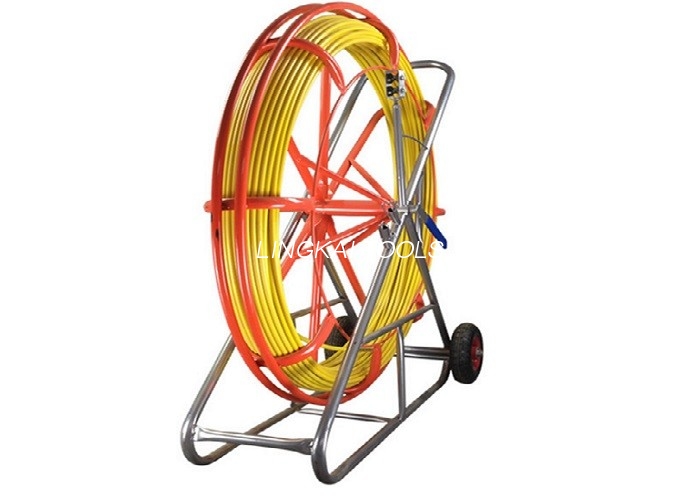
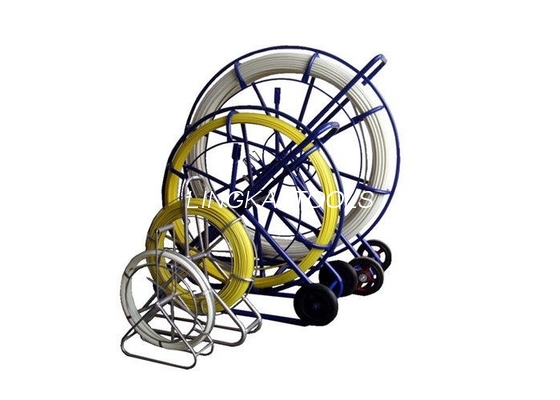
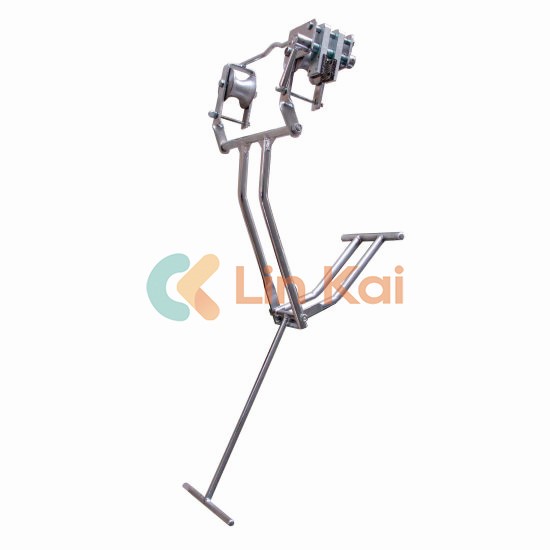
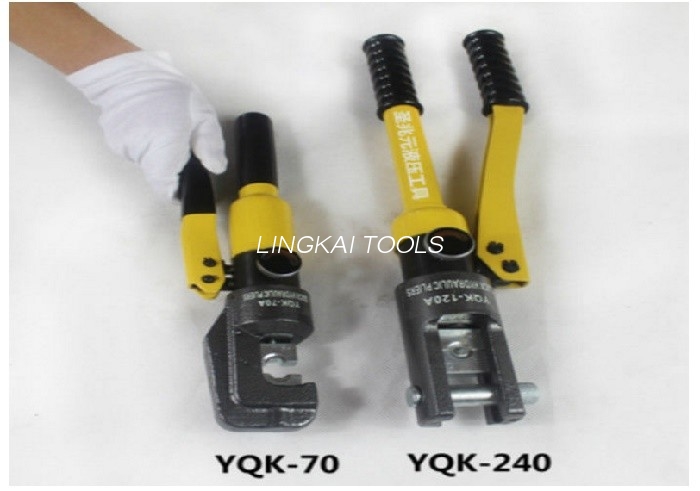
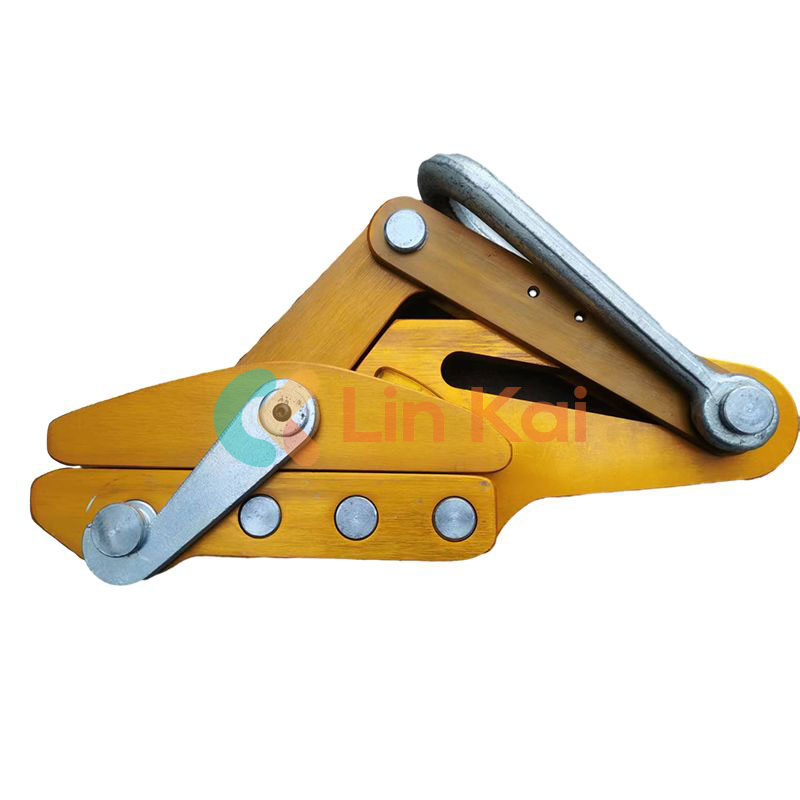
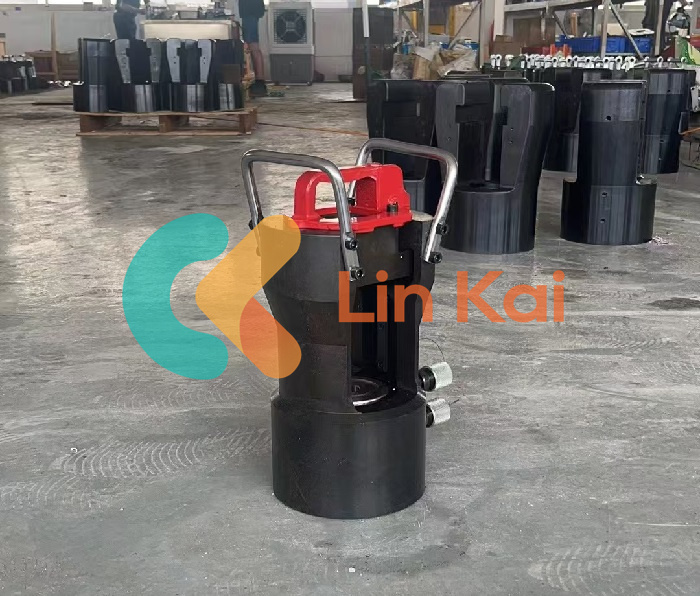
Electrical Cable Pulling Tools

When people search for Electrical Cable Pulling Tools, they’re rarely shopping for “tools” in the abstract. They’re trying to stop a job from bleeding time and risk. These are the pain points that show up again and again:

  • Cable jacket damage from sharp edges, bad rollers, or improper pulling heads.
  • Unexpected tension spikes at bends, long runs, or congested duct banks.
  • Stuck pulls caused by friction, debris, collapsed conduit, or poorly chosen lubricant.
  • Safety hazards like snapback zones, uncontrolled reels, or poor communication in the pull path.
  • Schedule pressure that pushes crews into shortcuts (and later rework).
  • Procurement confusion—many tools look similar, but behave very differently under load.

A practical way to think about it: you’re not buying tools, you’re buying predictability. The right set of Electrical Cable Pulling Tools makes the pull measurable, controllable, and repeatable.


What “Good” Looks Like in Cable Pulling

Before you compare products, align on outcomes. A well-planned pull typically has these characteristics:

  1. Controlled tension (no mystery spikes at bends or transitions).
  2. Clean routing (rollers/blocks prevent point loading and abrasion).
  3. Stable feed (reel stands and drum handling avoid twists and backspin).
  4. Proper pulling interface (grips/socks/swivels matched to cable size and type).
  5. Clear communication (hand signals, radios, and a defined stop protocol).

If you keep these five outcomes in view, choosing Electrical Cable Pulling Tools becomes less about brand names and more about fit-for-purpose engineering.


Tool Categories That Matter Most

Most cable pulls can be improved dramatically by focusing on a few tool categories that control friction, tension, and handling. Here’s what to prioritize:

1) Pulling power and control

  • Cable pullers / winches for steady pulling force and consistent speed.
  • Capstan-style pullers when you need smooth control and adjustable grip on the rope.
  • Dyno/tension monitoring to make the “invisible” visible and prevent over-tension events.

2) Cable guidance and friction reduction

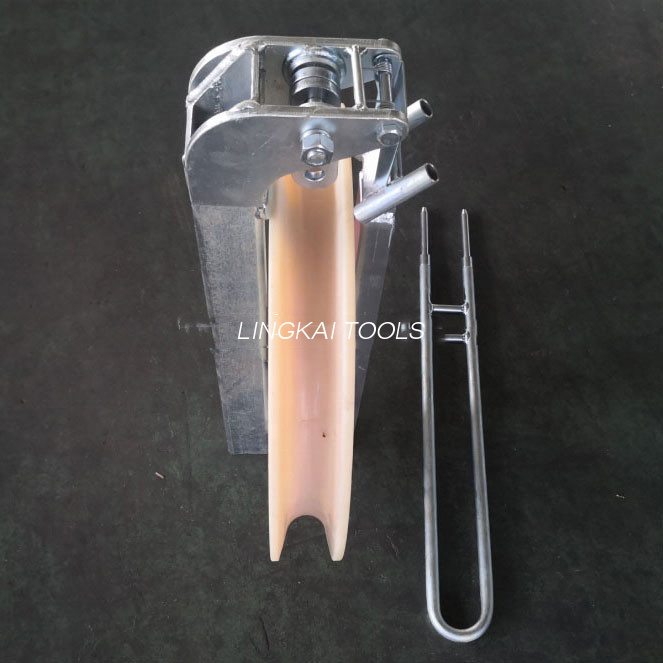
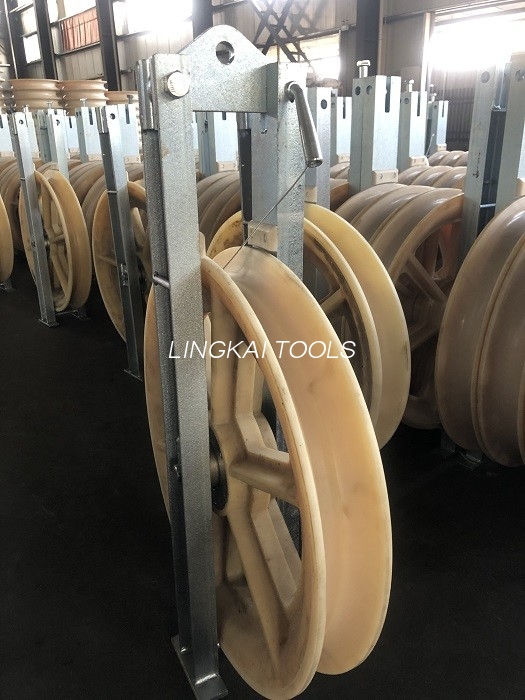
  • Cable rollers for straight runs, corners, and manhole entry/exit points.
  • Sheaves/blocks (especially for overhead or elevated routing).
  • Duct protection components to reduce abrasion at transitions.

3) Pulling interface components

  • Pulling grips (cable socks) sized and rated for the cable type.
  • Swivels to prevent twist transfer (a common cause of internal damage and handling nightmares).
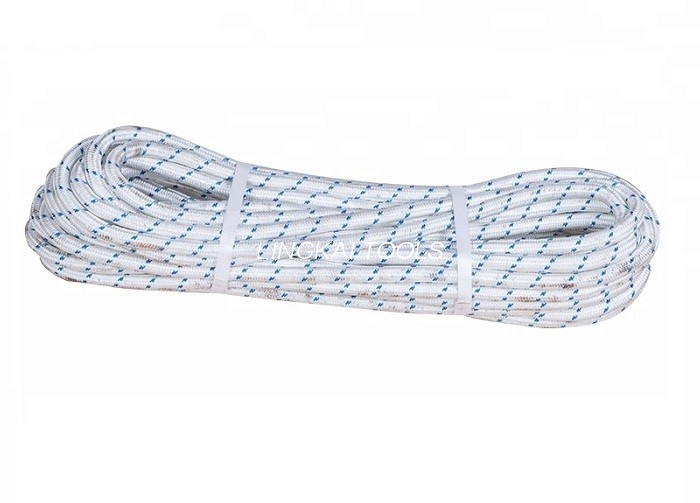
  • Pulling rope / pulling line selected for low stretch and appropriate safety factor.

4) Feed, handling, and setup

  • Cable drum jacks / reel stands for stable payout and reduced torsion.
  • Conduit rodder / duct rod for route proving and pulling line installation.
  • Lubricant application tools for consistent coverage (instead of “hope and spray”).

If you’re building a kit from scratch, start with rollers + the correct grip/swivel set + stable reel handling. Those three alone solve a huge share of “mystery” pull failures.


How to Select the Right Tools for Your Pull

The best Electrical Cable Pulling Tools selection process is boring—in a good way. It’s a checklist that forces clarity before the crew is on the clock.

Step A: Define the cable and the route

  • Cable type: LV/MV, armored/unarmored, single-core vs multi-core, jacket material sensitivity.
  • Outer diameter and weight: affects grip sizing, roller type, and handling equipment.
  • Route geometry: length, number of bends, bend radius, entry/exit angles.
  • Environment: mud, dust, water, temperature, confined spaces, traffic conditions.

Step B: Decide what you’re controlling

  • Friction control: rollers, sheaves, corner guides, lubrication strategy.
  • Tension control: winch choice, capstan, tension monitoring, stop protocol.
  • Twist control: proper swivel selection and alignment.
  • Handling control: stable reel stands, braking, payoff direction, storage constraints.

Step C: Build a “minimum viable toolset”

If procurement needs a quick, defensible list, aim for a minimum set that reduces risk without inflating cost:

  1. Corner + straight rollers matched to cable size and site layout
  2. Rated pulling grips and matched swivels
  3. Reliable pulling line (and a plan to inspect it)
  4. Reel stands / drum handling with controlled payout
  5. Tension monitoring (recommended for longer or higher-consequence pulls)

A Field-Ready Workflow That Prevents Damage

Tools don’t replace process. Here’s a workflow crews can repeat across projects to keep pulls smooth and safe. Use it as a pre-task brief template.

1) Route prove and prep

  • Confirm the conduit/duct is clear: prove with a rodder and test pull line.
  • Check bend radii and sharp transitions—install protection at entry/exit points.
  • Plan roller placement so the cable never drags on edges or concrete.

2) Set a tension plan

  • Define maximum allowable tension per cable specs and project rules.
  • Assign a spotter to monitor tension (or read the dynamometer) and call stops.
  • Mark a snapback/exclusion zone and enforce it.

3) Set the pulling interface correctly

  • Choose the correct cable pulling grip size—too small can slip, too large can concentrate stress.
  • Install the swivel in-line to minimize twist transfer.
  • Inspect rope, grips, pins, and connectors before load.

4) Pull with discipline

  • Start slow to seat the system, then increase to a controlled pace.
  • Keep feed stable at the reel—avoid sudden accelerations that create “memory” and loops.
  • Stop immediately if tension rises unexpectedly; troubleshoot before forcing it.

5) Post-pull checks

  • Inspect jacket condition, bends, and termination prep area.
  • Document tension anomalies and update your “next pull” checklist.
  • Clean and inspect tools so the next pull starts ready.

Most cable damage is not dramatic—it’s microscopic abrasion that becomes a failure later. That’s why the boring parts (rollers, alignment, inspection) matter so much in Electrical Cable Pulling Tools selection.


Comparison Table of Electrical Cable Pulling Tools

Use this table to map your job type to tool categories and avoid “close enough” substitutions.

Tool category Best for Key selection points Common failure mode
Cable puller / winch Long runs, controlled pulling, repeatable speed Rated load, braking/control, rope compatibility, site power constraints Over-tension from poor monitoring or sudden speed changes
Capstan puller Smooth control with adjustable traction on the pulling line Capstan diameter, line grip consistency, operator control features Line slip or glazing from incorrect wraps/technique
Cable rollers (straight/corner) Reducing friction and preventing abrasion at bends Roller radius, frame stability, cable diameter range, site surface conditions Point loading or edge contact due to poor placement
Pulling grips (cable socks) Secure, distributed pulling force on cable jacket Correct size, rated load, grip type for the cable construction Jacket damage or slip from wrong size/incorrect installation
Swivels and connectors Preventing twist transfer; reliable load path Load rating, compatibility, inspection routine, pin security Twist-induced damage or connector failure from mismatch
Reel stands / drum jacks Stable payout and safe handling Reel size range, braking method, stability on uneven ground Backspin, reel tip, or torsion from unstable setup
Conduit rodder / duct rod Route proving and installing pull line Length, stiffness/flex balance, tip accessories Route not truly clear; pull fails later under load

Tip: When comparing suppliers, ask for rated load documentation, inspection guidance, and compatibility notes. 


Common Mistakes and How to Avoid Them

  • Under-rolling the route: Not enough rollers at bends leads to abrasion and tension spikes. Add rollers where the cable would otherwise touch anything.
  • Choosing the wrong grip: A grip that “fits” is not the same as a grip that distributes load correctly. Match the grip type and size to the cable construction.
  • Skipping the swivel: Twist is a silent killer—use swivels to prevent twist transfer when conditions call for it.
  • No stop protocol: Define a clear “stop-now” signal before the pull begins. It prevents panic and injury.
  • Forcing a stuck pull: If tension rises unexpectedly, stop and diagnose. Forcing it often turns a fixable issue into cable replacement.
  • Uncontrolled reel payout: A stable reel stand with controlled payout prevents loops, kinks, and handling injuries.

The biggest leap in reliability usually comes from pairing good rollers with the correct pulling interface. If you only upgrade one area of your Electrical Cable Pulling Tools kit, start there.


Where Ningbo Lingkai Electric Power Equipment Co., Ltd. Fits

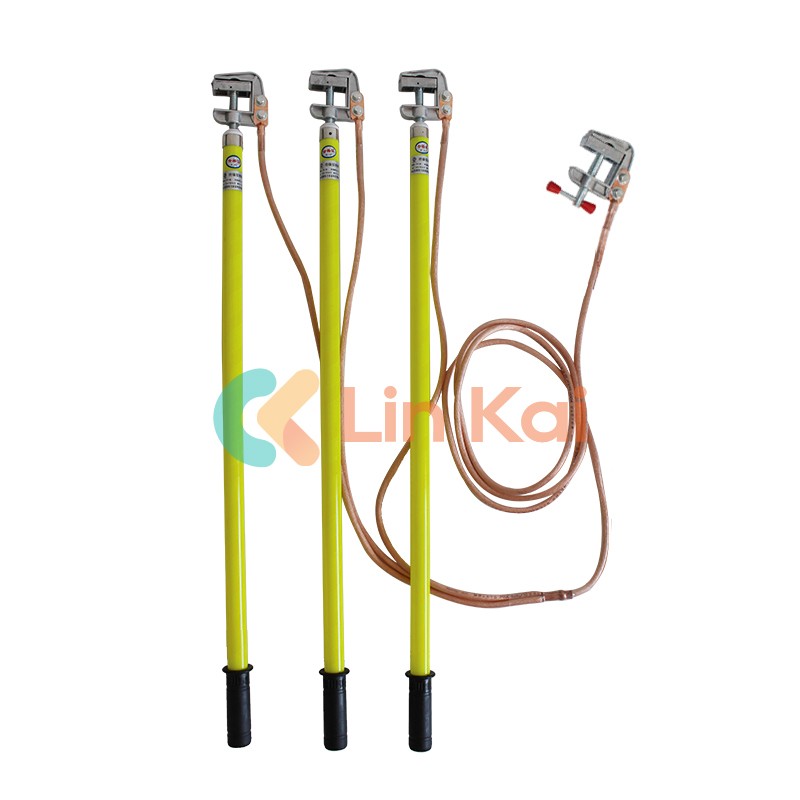
Electrical Cable Pulling Tools

If your team is sourcing Electrical Cable Pulling Tools for utility work, industrial installations, or project-based contracting, you typically need two things at once: a reliable product range and practical support on selection and configuration. Ningbo Lingkai Electric Power Equipment Co., Ltd. is positioned for buyers who want a consolidated supplier for cable pulling and stringing-related equipment, plus guidance on matching tools to job conditions.

A smart procurement move is to standardize your core kit (rollers + grips + swivels + reel handling) and then add pullers or monitoring for higher-consequence projects. That reduces training overhead and makes site performance more predictable.


FAQ

How do I know which cable pulling grip size to choose?

Start with the cable’s outer diameter and construction (jacket type, armored vs unarmored). Choose a grip designed for that range and confirm its rated load fits your planned tension limits. The safest approach is to avoid “one-size” substitutions on critical pulls.

Do I always need rollers, or is lubricant enough?

Lubricant helps, but it doesn’t replace physical guidance. Rollers prevent abrasion and point loading at bends and transitions. For many routes, rollers are the difference between a clean pull and jacket damage that only shows up later.

What causes sudden tension spikes during a pull?

Common causes include tight bends, misaligned entry/exit points, debris in conduit, insufficient roller placement, and twist transfer. If tension rises unexpectedly, stop and inspect the route rather than increasing force.

Is a capstan puller better than a winch?

They solve slightly different problems. Capstan pullers are often chosen for smooth control and flexible traction management, while winches are common for steady pulling force on longer runs. The “better” option depends on route complexity, load control needs, and site constraints.

How can I reduce cable twist and handling issues?

Use appropriate swivels, keep the load path aligned, and ensure controlled reel payout. Twist can travel into the cable and create installation headaches or internal stress, so preventing it early pays off.

What should I ask a supplier before ordering Electrical Cable Pulling Tools?

Ask for rated load documentation, compatibility guidance (cable size ranges, connector types), inspection/maintenance recommendations, and practical selection support for your pull scenarios.


Ready to make your next pull safer and smoother?

If you want help selecting Electrical Cable Pulling Tools that match your cable type, route geometry, and safety requirements, reach out to Ningbo Lingkai Electric Power Equipment Co., Ltd. with your project details and let the team recommend a practical kit. When you’re ready to move from “guesswork” to a repeatable, damage-resistant pulling process, contact us.

Related News
Leave me a message
X
We use cookies to offer you a better browsing experience, analyze site traffic and personalize content. By using this site, you agree to our use of cookies. Privacy Policy
Reject Accept