

News

How Can Electrical Cable Pulling Tools Cut Installation Time Without Damaging Cable?

2025-12-22

Article Abstract

Cable pulls go wrong in surprisingly predictable ways: high friction, bad bend control, mis-sized pulling heads, uneven tension, and “we’ll fix it later” handling that turns into insulation damage, jacket scuffs, or a pull that stalls halfway through a duct run. This guide breaks down the practical role of Electrical Cable Pulling Tools—from duct rodders and rollers to grips, swivels, and winches—so you can choose a toolset that reduces friction, controls bend radius, protects the cable, and keeps crews productive. You’ll also get a step-by-step pull workflow, a selection table, and an FAQ that answers the questions buyers and site teams ask right before ordering.


Outline and Reader Promise

If you’re trying to reduce pull failures and cable damage, you don’t need “more tools”—you need the right combination of Electrical Cable Pulling Tools matched to your route, cable type, and crew workflow.

What you’ll walk away with

  • A plain-English map of the tool categories and what each one actually fixes on site.
  • A decision table you can copy into an internal buying checklist.
  • A repeatable workflow (pre-pull → pull → post-pull) that reduces friction and rework.
  • Buyer-focused notes for comparing suppliers beyond “lowest price.”

The Most Common Pain Points in Cable Pulling

Electrical Cable Pulling Tools

On paper, pulling cable is “just traction.” In reality, it’s a system problem: route geometry, surface condition, cable weight, lubrication, tension control, and handling discipline all stack together. Here are the pain points that show up in both small duct pulls and large trench installations.

1) Friction spikes that stall the pull

Friction isn’t uniform. It spikes at bends, offsets, duct transitions, and rough entry points. If you don’t manage those spikes, you get stoppages, overheating at contact points, or “hero pulls” that exceed safe tension.

2) Cable jacket scuffing and insulation damage

Damage often comes from the basics: sharp edges at duct mouths, dragging across rough trench bases, rollers placed too far apart, or pulling heads that aren’t sized and aligned correctly.

3) Bend radius violations in corners and manholes

Even when a crew thinks they “took it slow,” a bad corner setup can force tight bends. That can shorten cable life and create future faults.

4) Uncontrolled tension and twisting

Twisting can stress conductors and create handling issues downstream. Poor tension control also increases risk to crews and equipment. This is where the right pulling line, swivels, and tensioning approach matter.

5) Productivity loss from trial-and-error tooling

If the crew arrives with “mostly the right stuff,” they’ll spend time improvising—often with results that look fine today and fail later. A planned toolset is usually cheaper than a single re-pull.


Tool Groups That Solve Those Pain Points

A strong toolkit covers three jobs: guide (control route and bend), pull (provide traction safely), and protect (prevent abrasion, crushing, and twist). Below are the core Electrical Cable Pulling Tools groups and how they map to real-world problems.

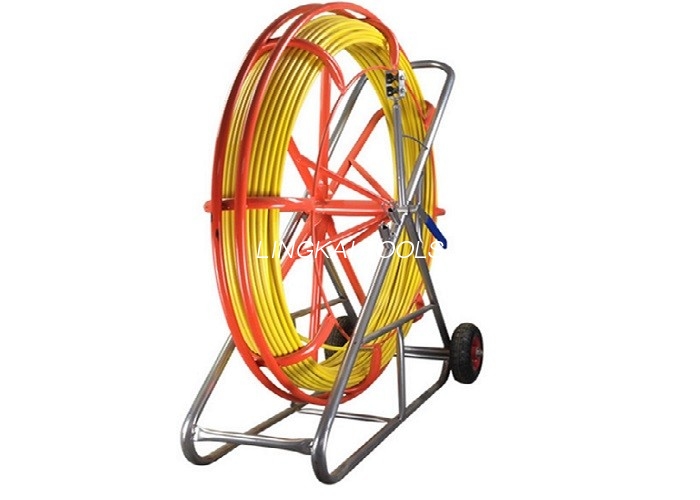
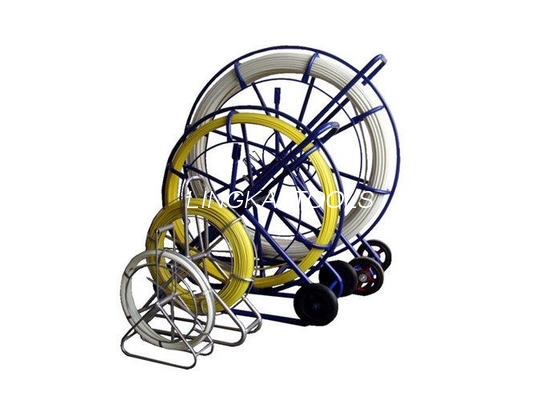
A) Duct rodders and fish systems

  • What they do: Establish a pilot path through conduit/ducts so you can pull a rope/line without damaging cable.
  • What they fix: Time lost on “how do we get a line through?” and pilot-line failures in long runs.
  • What to look for: Correct rod diameter for stiffness, a braking system for controlled payout, and a frame that’s stable during push/pull.

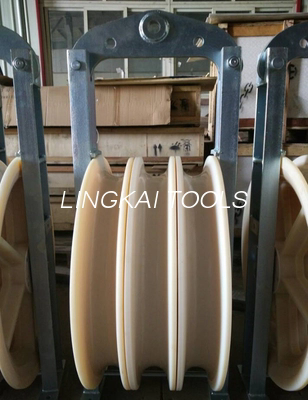
B) Straight-line rollers and trench rollers

  • What they do: Lift and guide the cable off the ground to reduce friction and protect the jacket.
  • What they fix: Dragging damage, snagging, and uneven pulling force across the route.
  • What to look for: Rated load, bearing design, and roller spacing that matches cable weight and route conditions.

C) Corner rollers, manhole/pithead rollers, and entry protection

  • What they do: Control bend radius at corners and protect cable at entry/exit points.
  • What they fix: Bend violations, crushed jackets at edges, and friction spikes at corners.
  • What to look for: Smooth roller surfaces, stable frames, and easy anchoring/positioning.

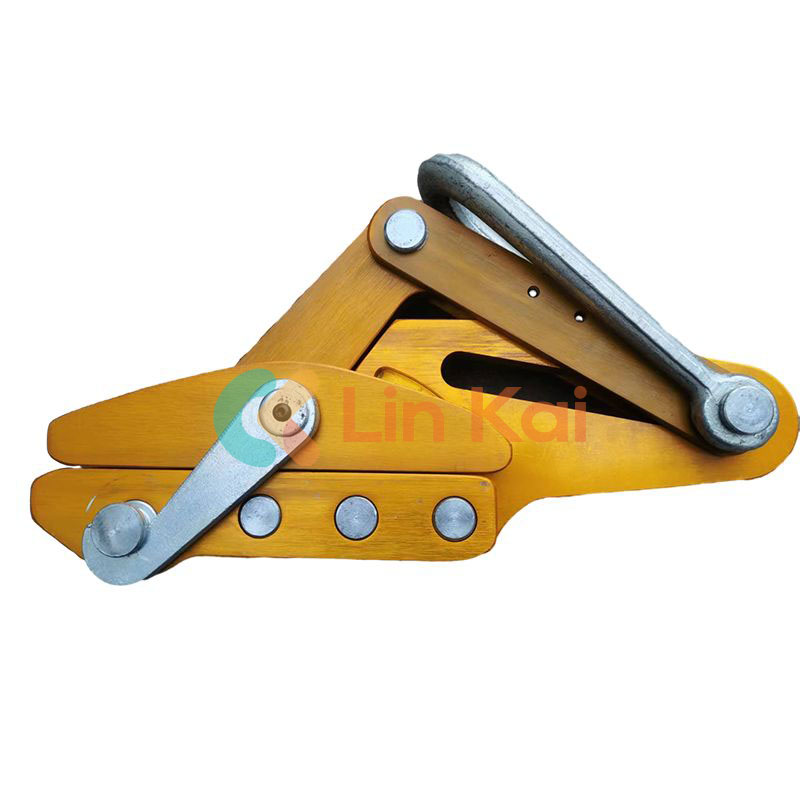
D) Cable grips (pulling socks) and pulling heads

  • What they do: Transfer pulling force evenly to the cable (or to a pulling eye/head), reducing localized stress.
  • What they fix: Slippage, conductor damage from improvised knots, and unsafe pull connections.
  • What to look for: Correct grip range, mesh quality, secure attachment, and compatibility with swivels.

E) Swivels, anti-twist solutions, and pulling line management

  • What they do: Reduce twist transfer and keep the pull system aligned.
  • What they fix: Twisting, kinks, and unstable pulls.
  • What to look for: Load rating matching the system and smooth rotation under tension.

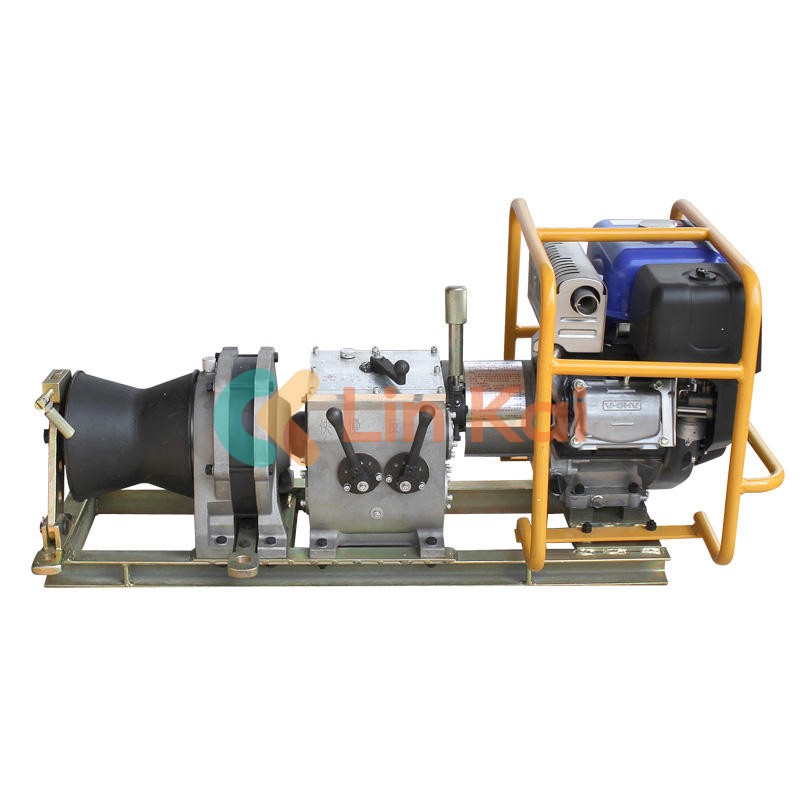
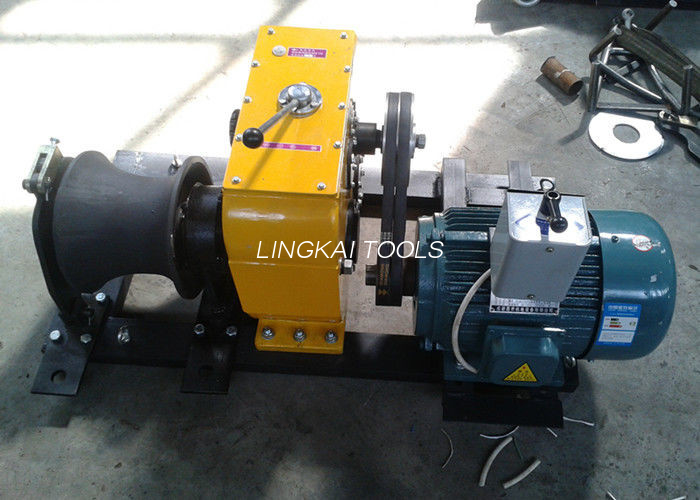
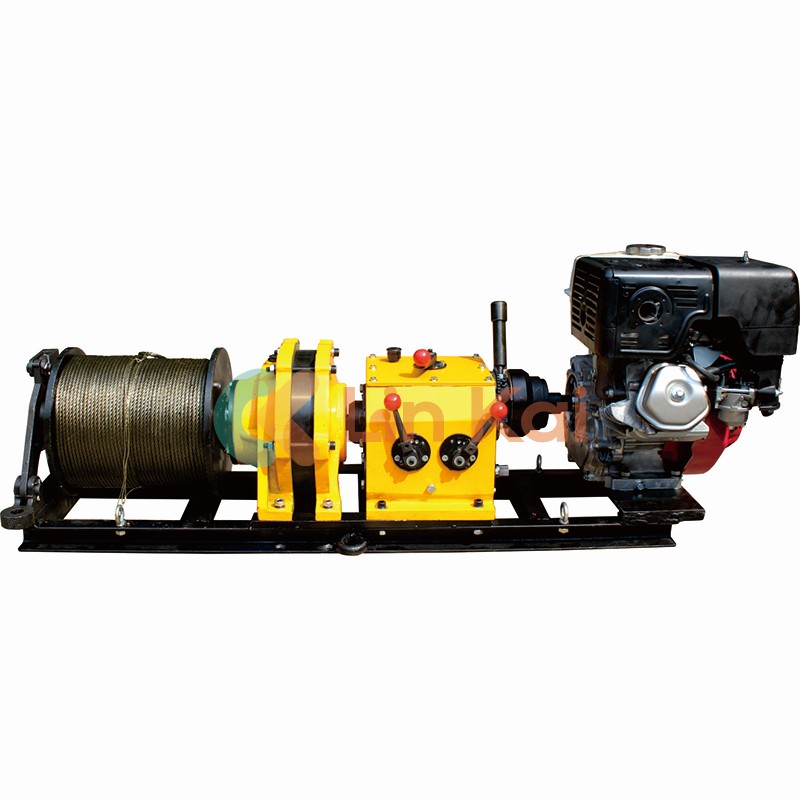
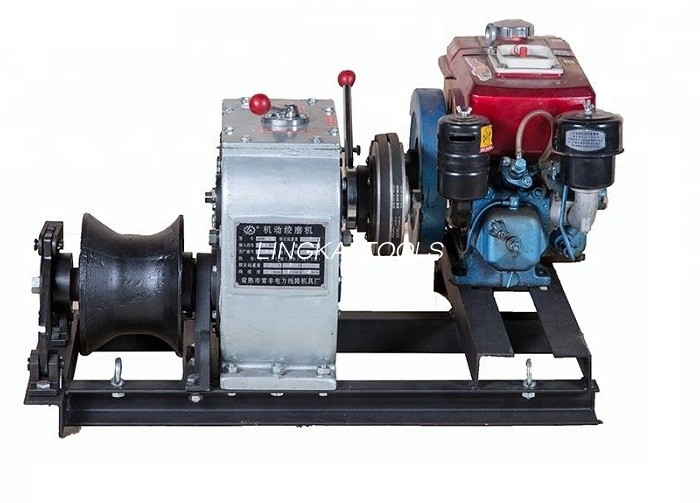
F) Winches, pullers, capstans, and push/pull machines

  • What they do: Provide controlled traction, especially for longer or heavier pulls.
  • What they fix: Manual pulling limitations, inconsistent tension, and fatigue-driven mistakes.
  • What to look for: Line speed control, braking, compatibility with measurement/tension monitoring, and safe anchoring.

G) “Support” tools that quietly prevent disasters

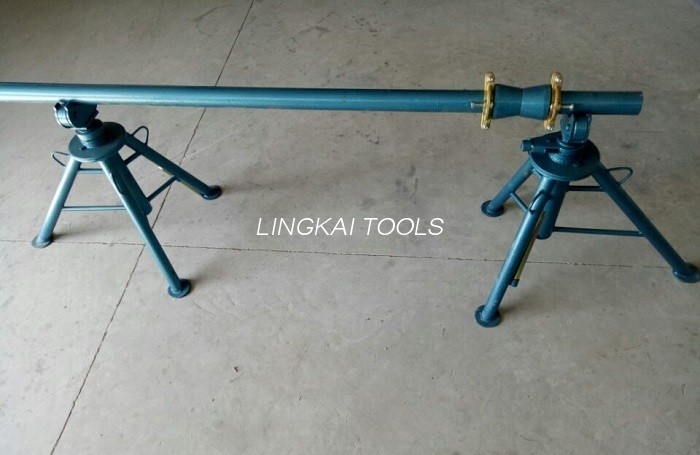
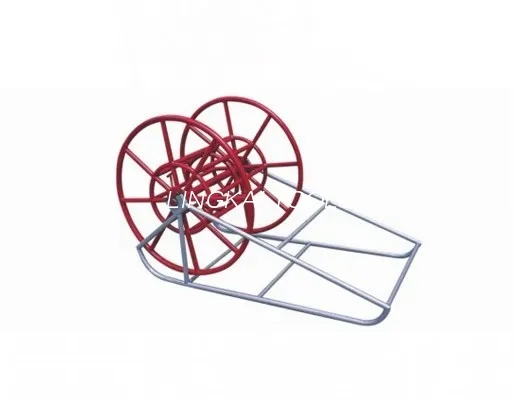
  • Cable drum stands / reel handling: Prevents drag, drum “runaway,” and side-loading issues.
  • Measuring tools: Helps confirm route length and plan roller spacing and staging.
  • Lubrication strategy: Not a “tool” in the metal sense, but it’s one of the biggest friction reducers you can control.

Quick Selection Table

Use this as a fast filter when matching Electrical Cable Pulling Tools to job conditions. (Tip: If you’re unsure, prioritize protection and friction control—those two reduce rework the most.)

Job Condition Primary Risk Recommended Tool Focus Buyer Notes
Long conduit run with unknown interior condition Pilot line failure, friction spikes Duct rodder + proper pilot line + entry protection Choose rod stiffness (diameter) and braking control to prevent runaway payout.
Open trench with multiple gentle curves Jacket abrasion, drag Straight-line rollers + trench rollers (adequate spacing) Load rating and bearing quality matter more than “light weight.”
Sharp corner / manhole transition Bend radius violation, pinch points Corner rollers + pithead rollers + bell-mouth/edge protection Stability and anchoring are key—corners are where pulls fail.
Heavy cable or high-tension pull Over-tension, unsafe manual handling Winch/puller + tension discipline + rated grips + swivel Match every component’s rating (weakest link defines your limit).
Sites sensitive to twist (certain conductors / long pulls) Twist transfer, kinks Swivel + anti-twist pulling line management Confirm compatibility between grip, swivel, and pulling eye/head.

A Practical Cable Pull Workflow

A tool purchase only pays off if the workflow is disciplined. Here’s a field-friendly sequence you can standardize across crews.

Step 1: Pre-pull planning (10–20 minutes that saves hours)

  • Route survey: Count bends, identify tight corners, and confirm entry/exit points.
  • Cable data check: Confirm outer diameter, minimum bend radius, and pulling method (grip vs. pulling head).
  • Roller plan: Decide roller type and spacing; add corner/pithead rollers where friction spikes are expected.
  • Pilot line strategy: Choose duct rodder/fish approach, then upgrade to a pulling rope/line if needed.
  • Protection plan: Identify any sharp edges, rough trench bases, or transitions that need guards or entry sleeves.

Step 2: Setup that prevents cable damage

  • Install entry protection first: Don’t “pull once and see.” Protect edges before cable touches them.
  • Place rollers deliberately: Too few rollers increases drag; too many poorly placed rollers increases snag points.
  • Keep alignment straight at the winch/puller: Misalignment increases side load and twist.
  • Use proper grips and connections: Avoid improvised ties that concentrate stress.

Step 3: Execute the pull with controlled tension

  1. Start slow: Let the cable “settle” into the roller path before increasing speed.
  2. Watch corners: Station a crew member at each high-risk location to monitor bend and friction.
  3. Maintain communication: A simple stop/slow/go protocol prevents misunderstandings under noise and pressure.
  4. Stop if you see jacket damage: A pause now is cheaper than a fault later.

Step 4: Post-pull checks that reduce callbacks

  • Visual inspection: Check jacket condition at corners, entries, and known rough segments.
  • Confirm routing: Ensure the cable sits correctly and isn’t under unintended compression.
  • Document the setup: Photos of roller placement and entry protection help replicate what worked.

Safety and Quality Controls That Prevent Rework

The safest jobs are usually the best-quality jobs—because both rely on predictability and controlled forces. Here are practical controls that fit into daily operations without slowing crews down.

Control 1: “Weakest link” rating check

Every pull system has a weakest rated component (grip, swivel, rope, roller, anchoring point). That component defines your safe limit. Buying from a supplier that provides clear ratings reduces guesswork.

Control 2: Corner discipline

Corners are where friction, bend radius, and cable protection collide. If budgets are tight, invest in corner solutions first. This is also where stable, properly rated rollers pay back quickly.

Control 3: Induced voltage awareness (when applicable)

In certain line and stringing environments, induced electricity can be a real hazard. Specialized grounding blocks can be used as part of the operation plan when the work method requires it—always follow your site safety rules and standards.

A quick damage-prevention checklist

  • Never let cable run directly over steel edges or rough concrete.
  • Use entry protection at duct mouths and manholes.
  • Keep rollers clean—grit turns rollers into sandpaper.
  • Confirm grip sizing before the pull starts (not after it slips).
  • Use consistent signals/communication during pull operations.

Procurement Notes for Buyers

Electrical Cable Pulling Tools

If you’re buying Electrical Cable Pulling Tools for an engineering team, here’s how to evaluate options using criteria that matter in the field—not just in a catalog.

Ask for the information that reduces risk

  • Rated load and application scope: “What is it rated for and where should it not be used?”
  • Material and bearing details: Roller material affects cable protection; bearing design affects friction and longevity.
  • Configuration choices: Straight-line vs. corner vs. pithead setups shouldn’t be “one-size-fits-all.”
  • Spare parts availability: Especially for rollers, frames, and moving assemblies.
  • Packaging for export logistics: Prevents damage before the tools even reach site.

Buy the “system,” not just the tool

The best-performing setups are matched kits: duct rodder → pilot line → pulling rope → swivel → grip → rollers (straight + corner + entry). If a supplier can help you specify a complete kit for your common job profiles, you’ll reduce mismatches and on-site improvisation.


Where a Specialized Manufacturer Fits In

If your projects include repeated underground installs, trench routing, or line-construction-related cable handling, it can be worth working with a manufacturer that covers multiple tool categories—because compatibility and ratings become easier to manage across the system.

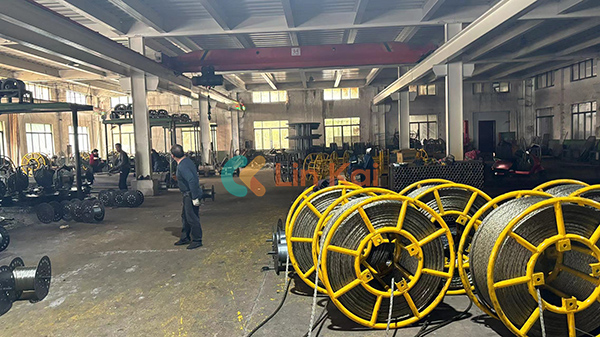
For example, Ningbo Lingkai Electric Power Equipment Co., Ltd. offers a broad range of products under the Electrical Cable Pulling Tools category, including duct rodders (for pilot-line creation), rollers (for friction reduction), and related pulling/handling accessories—useful when you’re trying to standardize your crew kits instead of mixing unmatched parts from multiple sources.

Practical rule: if your team’s top cost is rework and schedule slip, prioritize suppliers who can help you match tool rating + route geometry + cable protection in one coherent setup.


FAQ

Do I really need rollers if the trench is “pretty smooth”?

Usually, yes—especially on longer runs. Even a “smooth” trench has pressure points and micro-abrasion risks once cable weight and tension increase. Rollers reduce drag, protect the jacket, and make pull behavior more predictable.

What’s the fastest way to choose a duct rodder specification?

Start with route length and how tight the bends are. Longer runs and tougher bends typically push you toward a rod that’s stiff enough to advance without buckling, plus a frame with braking control so payout doesn’t become chaotic.

How do I prevent twist from traveling into the cable?

Use proper pulling connections (grip or pulling head), keep alignment clean at the pulling point, and consider a rated swivel between the pulling line and the grip/head. Also avoid pulling line layouts that encourage rotation or kinks.

Is “rated load” on rollers and pulleys really important for underground pulls?

Yes. Ratings aren’t just about “not breaking.” They’re a proxy for stability under real tension, bearing performance, and durability. Under-rated components can introduce friction spikes or fail when the pull is most constrained.

What should I include in an RFQ to avoid ordering the wrong tools?

Include: cable OD and weight, route length, number and severity of bends, trench vs. conduit details, expected pulling method (grip vs. pulling head), and whether you need straight-line, corner, and entry-protection components.

How can I reduce cable damage if I’m forced to work in tight corners?

Treat corners as a dedicated engineering problem: use corner rollers, add entry protection, and slow the pull through the corner while monitoring the bend. In many jobs, improving corner control alone reduces the majority of damage incidents.


Final Takeaway

The best Electrical Cable Pulling Tools don’t just “pull harder”—they reduce friction, protect cable surfaces, control bend radius, and help crews maintain consistent tension. If you standardize a tool system around your most common routes, you’ll see fewer stalled pulls, less jacket damage, and fewer expensive do-overs.

Ready to spec a tool kit that matches your next project?

Tell us your cable type, route length, bend count, and installation method, and we’ll recommend a practical set of Electrical Cable Pulling Tools that fits your job—then help you streamline procurement for repeat orders. If you want a faster, safer pull with less rework, contact us.

Related News
X
We use cookies to offer you a better browsing experience, analyze site traffic and personalize content. By using this site, you agree to our use of cookies. Privacy Policy
Reject Accept