

News

What Are Underground Cable Installation Tools and How Do They Improve Project Efficiency?

2025-12-18

Abstract

Underground power and communication networks are expanding rapidly as cities pursue safer, more reliable, and visually cleaner infrastructure. At the center of this transformation are Underground Cable Installation Tools, which determine not only construction speed but also safety, cable longevity, and long-term system performance. This article explores the full ecosystem of underground cable installation tools, including keyword-expanded variations such as underground cable pulling tools, cable laying equipment, duct rodder systems, winches, rollers, and tension monitoring devices. Drawing on industry practices and engineering logic, we explain how these tools function, where they are applied, and how to select them responsibly in line with modern EEAT standards. The discussion is informed by manufacturing expertise from Ningbo Lingkai Electric Power Equipment Co., Ltd. and focuses on practical value rather than promotional claims.


Table of Contents


Understanding Underground Cable Installation Tools

Underground cable Installation Tools

Underground Cable Installation Tools refer to a specialized group of mechanical and hydraulic devices designed to guide, pull, protect, and tension electrical or communication cables installed below ground level. Unlike overhead stringing tools, underground systems operate in confined environments such as ducts, conduits, trenches, and tunnels.

These tools are engineered to manage friction, bending radius, tensile stress, and alignment accuracy. Improper tooling can result in cable sheath damage, insulation failure, or premature aging, making tool selection a critical engineering decision rather than a logistical afterthought.


Why Underground Installation Demands Specialized Equipment

Installing cables underground introduces challenges that are absent in overhead systems. These include invisible routing paths, higher friction coefficients, limited access points, and stricter safety requirements. Underground Cable Installation Tools are designed specifically to address these issues.

  • Reduced visibility and limited correction options once installation begins
  • Higher mechanical stress due to duct friction and bends
  • Greater risk of thermal and moisture-related cable damage
  • Stricter urban safety and environmental regulations

Expanded Keywords and Tool Categories Explained

To fully understand the scope of Underground Cable Installation Tools, it is useful to expand the terminology commonly used in the industry. These variations often describe function rather than entirely separate products.

  • Underground cable pulling tools
  • Cable laying equipment for underground systems
  • Cable winches and pulling machines
  • Duct rodder and conduit rodding systems
  • Cable rollers for trench and duct entry
  • Tension control and monitoring devices

Core Types of Underground Cable Installation Tools

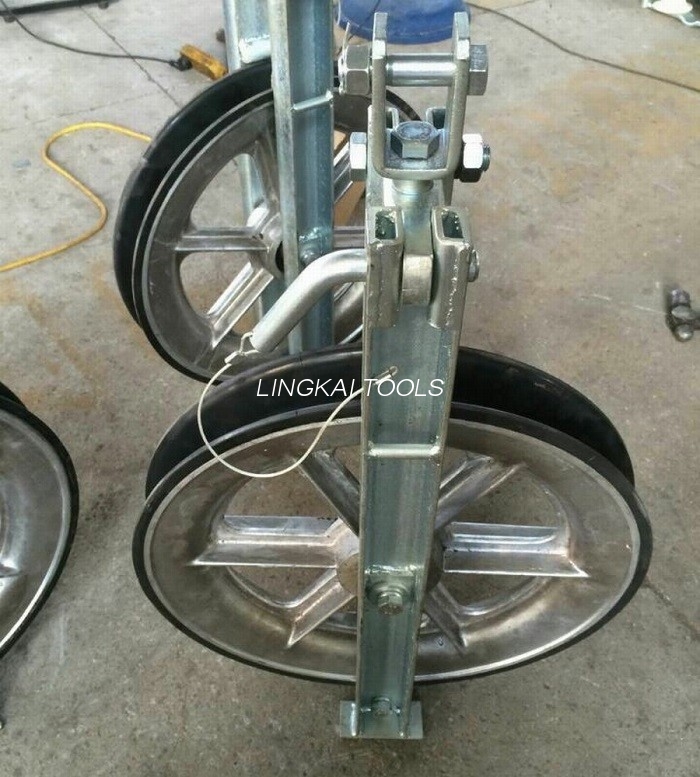
  • Cable Winches – Provide controlled pulling force for long-distance installations
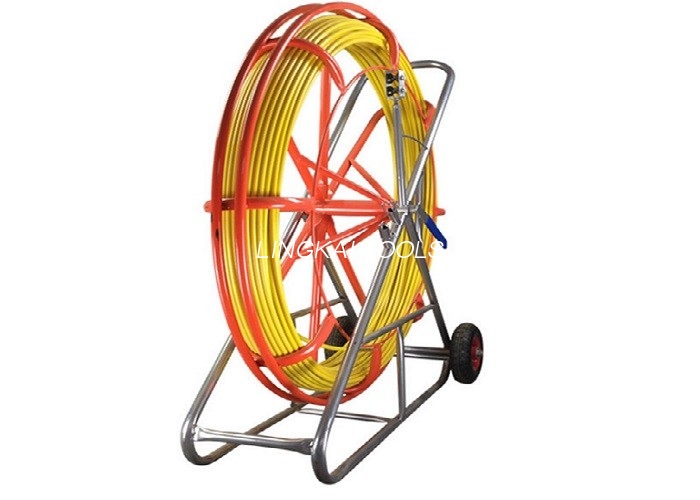
  • Duct Rodders – Used to guide pilot lines through conduits before cable pulling
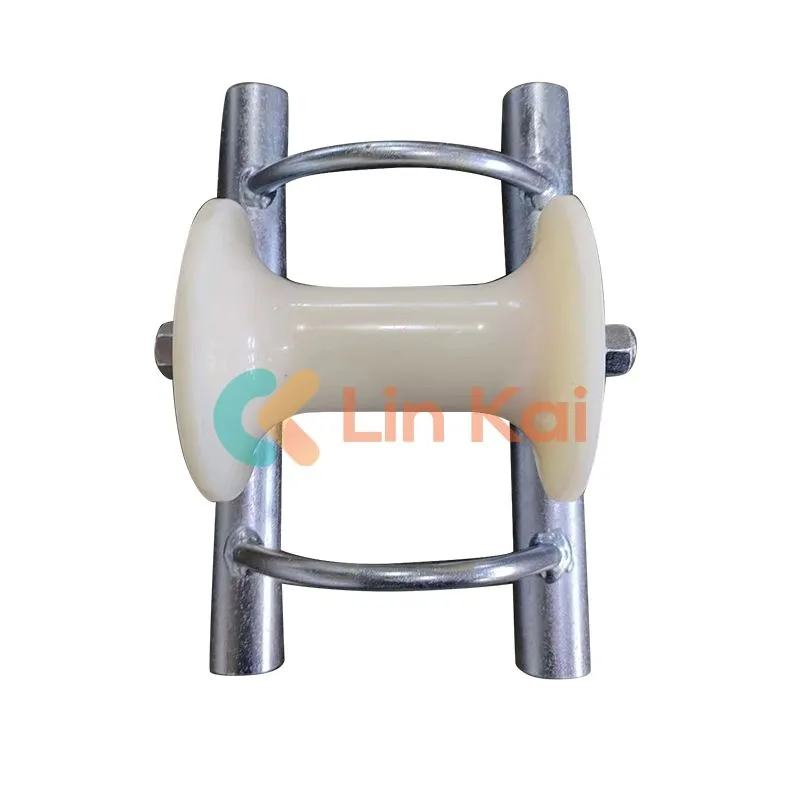
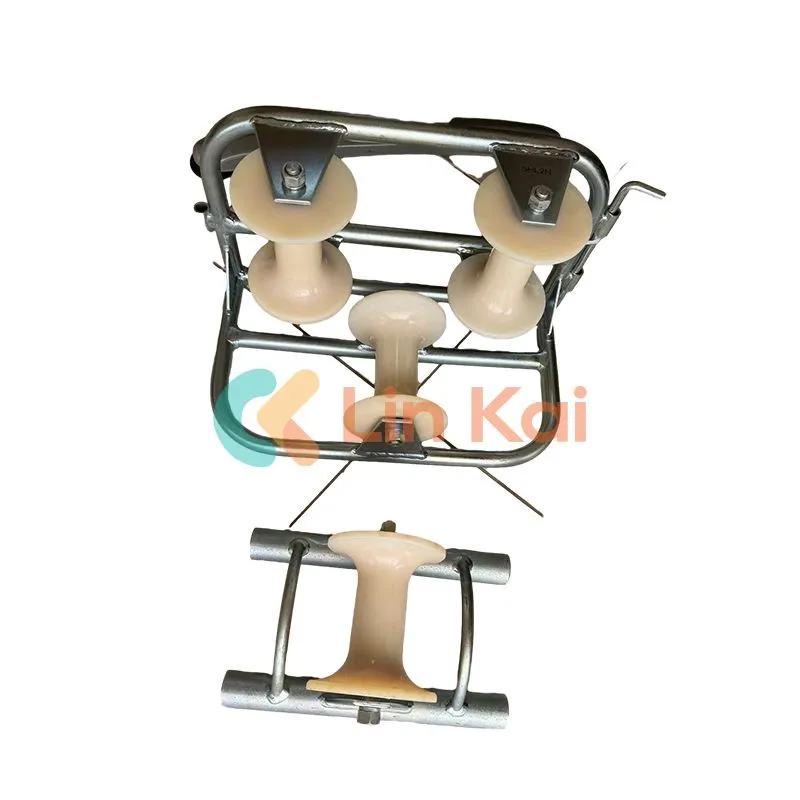
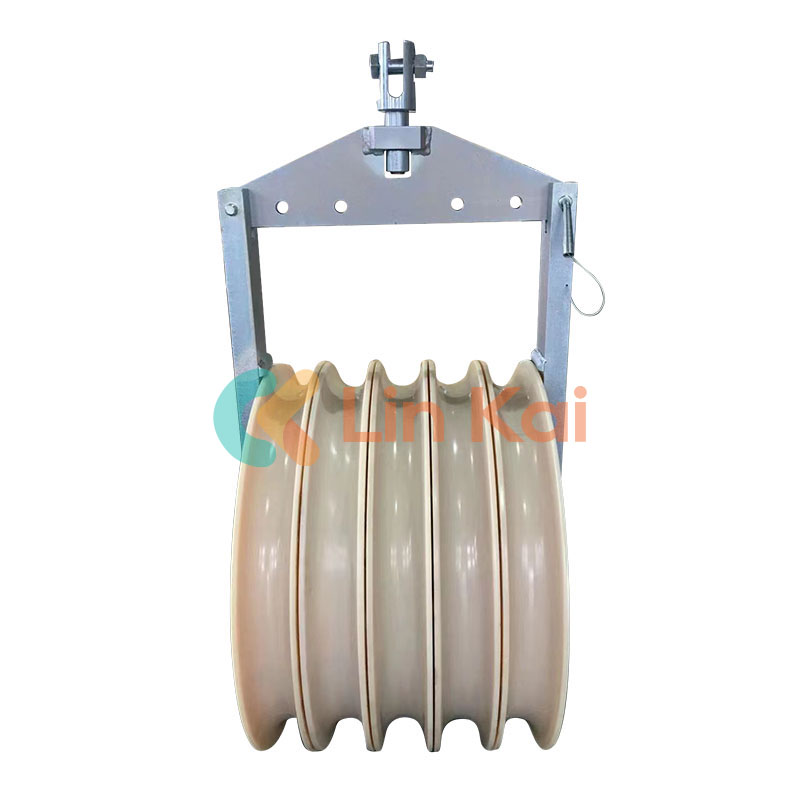
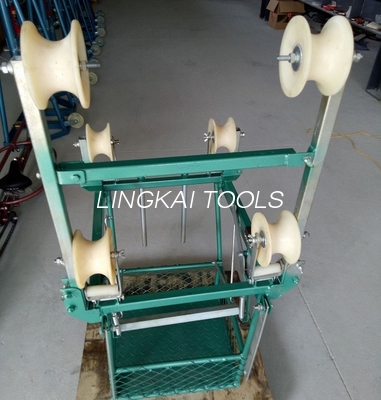
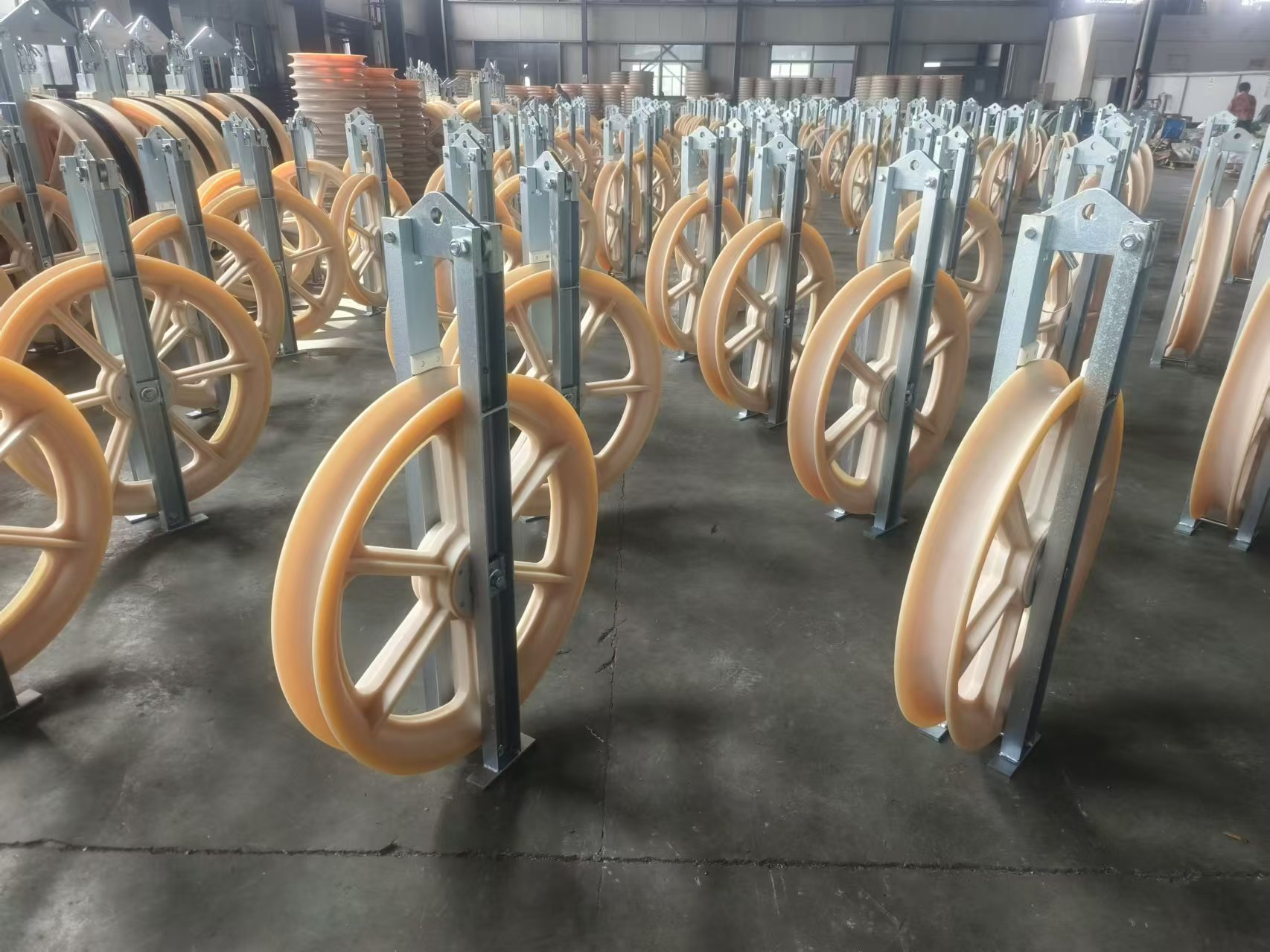
  • Cable Rollers – Reduce friction and protect cable sheaths at entry and exit points
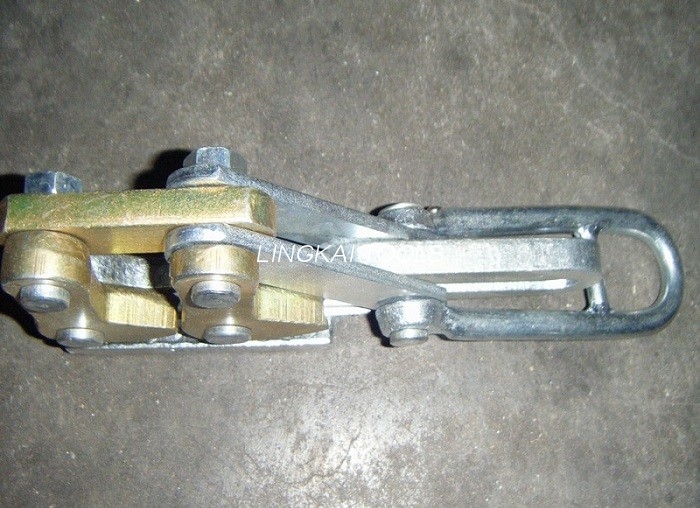
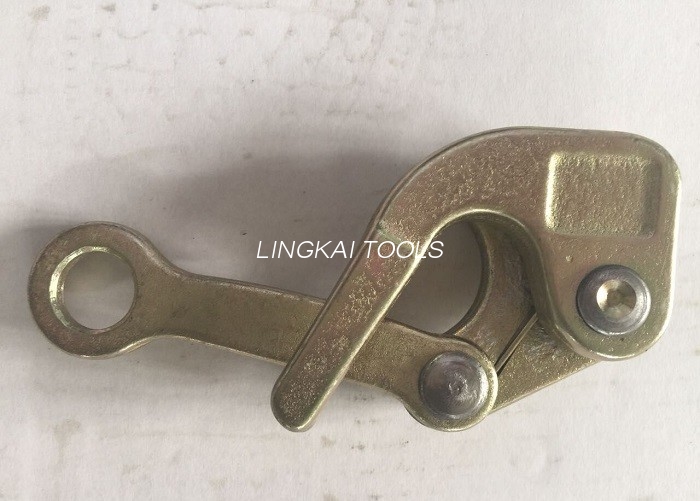
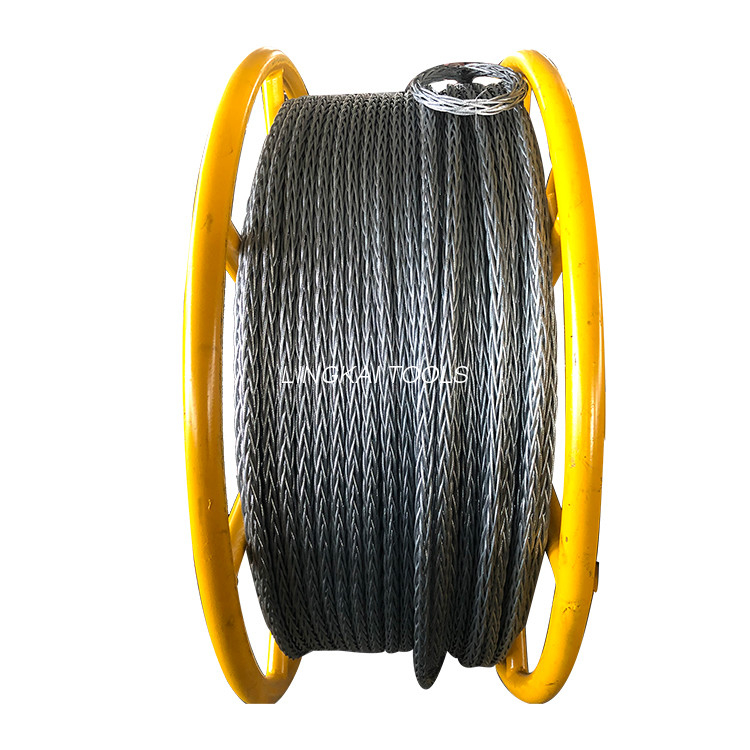
  • Pulling Grips – Secure cables evenly during tensioned pulls
  • Tension Meters – Monitor pulling force to avoid exceeding cable limits

How These Tools Improve Safety and Cable Integrity

  • Lower manual handling reduces injury risk
  • Controlled tension prevents conductor stretching
  • Optimized bending radius protects insulation layers
  • Reduced friction minimizes heat buildup during pulling

Selection Criteria for Different Project Scenarios

  • Cable diameter and weight
  • Route length and number of bends
  • Duct material and internal surface condition
  • Urban versus rural installation constraints

Comparison Table of Common Installation Tools

Tool Type Main Function Typical Application Key Benefit
Cable Winch Controlled pulling force Long underground routes Stable tension management
Duct Rodder Path preparation Conduit systems Accurate pilot line placement
Cable Roller Friction reduction Trench and duct entry Sheath protection

Industry Applications and Use Cases

  • Urban power distribution networks
  • Renewable energy grid connections
  • Industrial plant infrastructure
  • Telecommunication and fiber optic systems

EEAT Considerations in Tool Manufacturing and Use

Underground cable Installation Tools

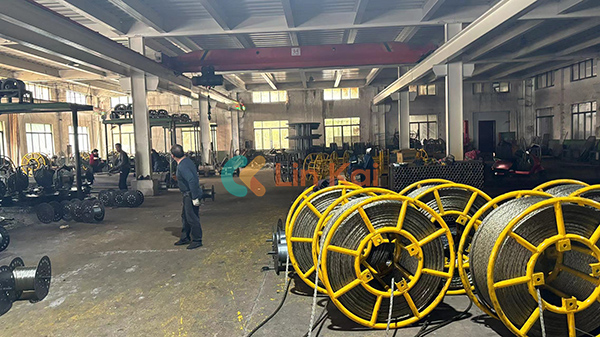
From an EEAT perspective, Underground Cable Installation Tools must be supported by verifiable expertise, transparent manufacturing processes, and proven field performance. Manufacturers such as Ningbo Lingkai Electric Power Equipment Co., Ltd. align product design with international installation standards and real-world engineering requirements.


Frequently Asked Questions

What determines the right pulling force for underground cables?

Pulling force is driven by cable weight, duct length, friction coefficient, and the number and radius of bends. In practice, installers use tension monitoring plus route calculations to keep pulling loads within the cable manufacturer’s allowable limits.

How do I choose between a capstan winch and a drum winch?

A capstan winch is often preferred when you need continuous pulling with good control and the ability to manage long pulls using a rope loop system. Drum winches are common when you want the pulling line stored on the drum itself. Your decision should consider site layout, pull length, line management needs, and how you plan to control tension.

Do I really need a duct rodder, or can I just fish a line through the conduit?

For short, clean, straight conduits, manual line fishing might work. But a duct rodder (conduit rodding system) is far more reliable for longer runs, older ducts, or routes with multiple bends. It reduces trial-and-error, lowers labor time, and helps avoid damage caused by improvised pulling.

What is the difference between cable pulling grips, mesh socks, and swivel connectors?

Pulling grips (mesh socks) distribute load over a longer section of the cable jacket to reduce localized stress. Swivel connectors sit between the pulling line and the grip to reduce twisting, which matters when pulling through bends or when the rope can rotate. Used together, they can protect both cable integrity and installation quality.

How can cable rollers prevent cable damage at duct entry points?

Entry points are high-risk areas because the cable transitions from free space into a confined duct. Rollers guide the cable smoothly, reduce jacket abrasion, and maintain a safer bend radius. This is especially important for heavy MV/HV cables or when the route immediately turns after entry.

When should I use lubricant, and what type is appropriate?

Lubricant is commonly used when friction is expected to be high: long duct runs, multiple bends, rough conduit interiors, or larger cable diameters. Use a cable-approved pulling lubricant compatible with your cable jacket material and local environmental requirements. Avoid “generic” lubricants that can degrade jackets or leave residues.

How do I estimate friction and tension before the pull starts?

A pre-pull assessment typically includes route mapping, bend counting, conduit inspection, and a tension estimation method (often based on cable weight, friction assumptions, and bend multipliers). For higher-risk pulls, teams may combine these estimates with real-time tension measurement during installation to validate assumptions and prevent overload.

What tools help maintain the minimum bending radius during installation?

Bending radius is protected through proper roller selection, corner rollers where direction changes occur, and controlled pulling methods that avoid sudden jerks. For sensitive cables, installers may add radius guides or use sheaves designed to maintain larger radii, reducing the risk of internal conductor and insulation damage.

How do I know if the duct is clear before pulling the cable?

Common steps include rodding the duct, pulling a mandrel (to confirm internal clearance), and using a test pull line. In challenging environments, teams may use duct inspection tools such as conduit cameras. Confirming duct condition early is one of the simplest ways to prevent mid-pull stoppages and cable damage.

What is a “pilot line,” and why is it important?

A pilot line is the initial lightweight line placed through a duct to establish a path for stronger pulling ropes and, eventually, the cable itself. A well-set pilot line reduces installation uncertainty, allows staged pull-ups in strength, and helps keep the final cable pull controlled and predictable.

How can I reduce the risk of cable twisting or “corkscrewing” during a pull?

Twisting risk is reduced by using swivel connectors, keeping the pulling rope aligned, managing payout correctly, and preventing rope rotation. Controlled pulling speed also matters. If twisting is ignored, it can translate into internal stress and potential long-term performance issues.

Which Underground Cable Installation Tools matter most for long-distance pulls?

For long-distance work, the core system usually includes a properly sized winch, calibrated tension monitoring, high-quality pulling rope, correct grips and swivels, and friction management tools such as rollers and lubricant. Many projects also benefit from route planning practices and staged pulls to keep loads within safe limits.

What documentation should a reputable tool supplier provide?

Look for clear specifications (rated loads, materials, dimensions), operating instructions, maintenance guidance, and quality assurance information. Manufacturers such as Ningbo Lingkai Electric Power Equipment Co., Ltd. typically support tools with technical documentation that helps contractors select and use equipment responsibly, which aligns well with EEAT expectations for transparency and expertise.

How do I maintain Underground Cable Installation Tools to extend service life?

Basic maintenance includes cleaning after use (especially lubricant residue), checking rollers for smooth rotation, inspecting grips for broken strands, verifying winch components and braking systems, and storing tools dry to prevent corrosion. Routine inspections also reduce failure risk in high-load operations.

Is it possible to reuse pulling ropes and grips safely?

Often yes, but only after inspection. Ropes should be checked for abrasion, flattened sections, contamination, or broken fibers. Grips should be inspected for damage and fitment accuracy. Reuse policies should follow manufacturer guidance and jobsite safety protocols, especially when pulling heavier or higher-voltage cables.


Conclusion and Next Steps

Underground Cable Installation Tools are essential to modern infrastructure projects, influencing efficiency, safety, and long-term reliability. Choosing the right tools and partners significantly reduces operational risk.

If you are evaluating equipment for underground cable projects or need tailored technical guidance, contact us to discuss solutions designed for real installation conditions.

Back to top

Related News
X
We use cookies to offer you a better browsing experience, analyze site traffic and personalize content. By using this site, you agree to our use of cookies. Privacy Policy
Reject Accept